
Reviewed · COOKING CLASSES
Taipei Cooking Class & Market Adventure in Historic Dadaocheng
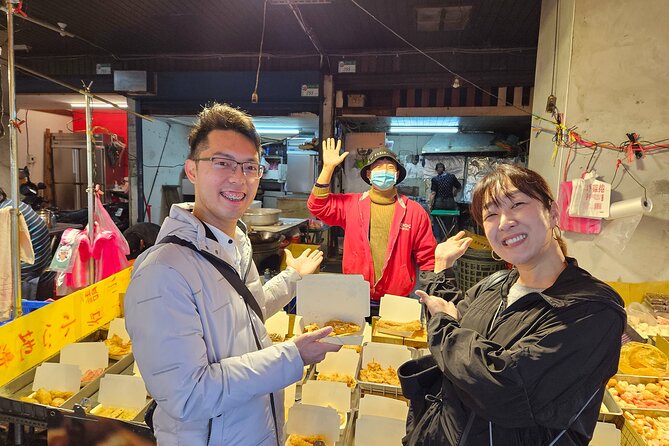
Taiwanese food makes more sense once you see the ingredients, hear the local stories, and cook the dish yourself. This three-hour Dadaocheng experience begins on Dihua Street, moves through traditional markets, and ends with a meal you prepare from scratch under Alex’s guidance.
I like the six-person limit, which keeps questions easy and the cooking hands-on. I also like the weekday menu, since you can choose between beef noodle soup, scallion pancakes, braised pork rice, or Taiwanese risotto depending on your schedule.
The main consideration is that the walking portion may not be the highlight for everyone. One participant found the cooking excellent but felt the photo stops and repeated group pictures for social media took too much attention. If you prefer straight cooking, factor that into your decision.
Key points at a glance
- Dihua Street setting: Begin at No. 356, Section 1, on one of Taipei’s old commercial streets.
- A different dish each day: Pick Taiwanese risotto, beef noodle soup, scallion pancakes, or braised pork rice.
- Small class size: The maximum is six people, with a minimum of two needed to operate the class.
- Alex leads the class: He speaks English and Chinese, plus some Japanese, and shares food and neighborhood stories.
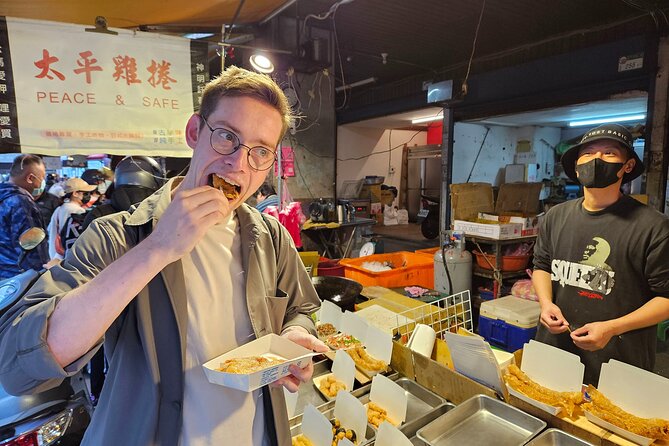
- Market tasting included: The outing includes traditional market visits and chances to try local delicacies.
- Family-friendly policy: Children under 12 can attend free if they do not cook, while cooking children need reserved seats.
Why Dadaocheng is the right place to start
This is not a cooking lesson tucked away in a generic studio. You meet on Dihua Street in Dadaocheng, an old commercial district where food, trade, and everyday shopping still shape the streets.
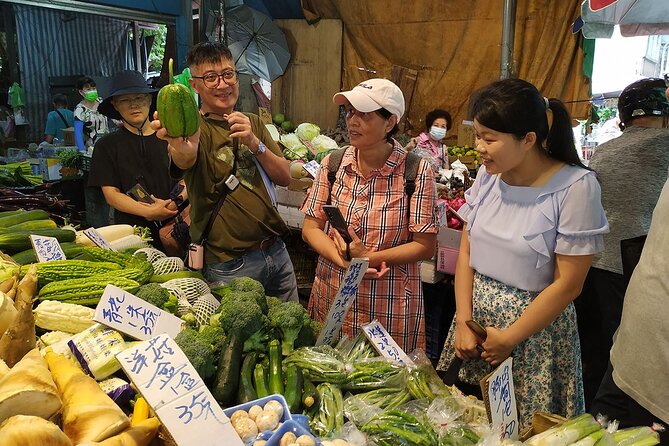
Alex first takes you through nearby alleys and traditional markets. That matters because Taiwanese recipes often depend on small details that are hard to understand from a printed menu. You can see the dried goods, vegetables, spices, seafood, and cuts of meat before they appear on your worktable.
The market walk also gives you a chance to taste local delicacies. You might chat with vendors, ask questions, and see how ordinary shopping works in Taipei. The experience is designed to feel like a local outing rather than a formal food lecture.
I especially like this beginning because it connects the dish to its ingredients. Sticky rice, dried mushrooms, dried shrimp, daikon radish, pork, and shallots are not just items on a recipe card when you have seen them in the market first.
The walking portion does have a limit. The supplied feedback praised the cooking but found the initial walk and photo sessions less necessary. If you enjoy neighborhood orientation and food sampling, the first hour should add useful context. If you mainly want to cook, you may find it a little padded.
More cooking classes in Taipei:
- Xiao Long Bao, Beef Noodles & Boba Tea Cooking Class in Taipei
★ 5.0 · 159 reviews - Xiao Long Bao, Chicken vermicelli with mushroom and sesame oil, Tofu strips salad, Bubble milk tea. Taiwan Traditional Delicacies Experience-A (Taipei Cooking Class)
★ 5.0 · 79 reviews - Xiao Long Bao & Boba Tea Cooking Class in Taipei
★ 5.0 · 28 reviews
The small group changes the cooking experience
The class accepts no more than six participants. That is a practical advantage in a kitchen setting. You should have a fair chance to watch each step, ask Alex for help, and take part instead of waiting behind a large group.
The minimum is two people. If that number is not reached, you will be contacted ahead of time and offered another date or a full refund. That policy is worth noting if you are building a tightly timed Taipei itinerary.
Alex leads the experience and speaks English and Chinese, with some Japanese. The class is mainly in English, so English-speaking participants should be able to follow the instructions and ask about ingredients. His willingness to share local stories is part of the point, not a side note.
The venue is LGBT friendly. That straightforward welcome may matter to some people choosing a small, personal class. Service animals are allowed, and the meeting point is near public transportation.
Choosing your dish by day
The schedule gives this experience a useful feature: you can choose the food that interests you most by selecting the right day.
Tuesday: Taiwanese risotto, or youfan
Taiwanese risotto, called youfan, uses sticky rice rather than the Italian rice most people associate with risotto. The ingredient list includes pork, dried mushrooms, dried shrimp, daikon radish, pork ribs, and shallots.
This is a good choice if you want a dish that shows how Taiwanese cooking combines savory meat, dried seafood, mushrooms, and rice. It also gives you a broad introduction to pantry ingredients and traditional flavors.
More market visits in Taipei:
- [Private Tour] Shilin Night Market Walking Tour With a Private Tour Guide (2-hr)
★ 5.0 · 123 reviews - Taipei: Street Food & Hidden Eats Night Market Food Tour
★ 4.8 · 112 reviews - Taipei Hidden Eats, Market & Street Food Tour with 8+ Tastings
★ 5.0 · 109 reviews - Taipei Food Tour: Night Market & Convenience Store(Food Included)
★ 4.5 · 100 reviews
Wednesday and Saturday: braised beef noodle soup
Beef noodle soup is one of Taiwan’s best-known comfort foods. In this class, you work with beef, garlic, bean paste, green onion, tomato, chili, and spices.
This menu should appeal to you if you want to understand the building blocks behind a deep, savory broth. You are not simply eating a bowl at a restaurant. You are handling the aromatics and seasonings that create its character.
Because the class lasts about three hours, the exact cooking pace and final preparation matter. The supplied details do not promise a specific broth-aging process or a particular beef cut, so you should view this as a practical introduction to the dish rather than a full professional stock-making course.
Thursday: scallion pancakes
Scallion pancakes use spring onion, spices, wheat flour, and bean oil. Compared with the soup and rice dishes, this is the simplest menu in terms of its listed ingredients, but simple dough can still demand attention.
Choose Thursday if you like hands-on work and want a class centered on shaping and cooking rather than a long list of ingredients. The dish is also a sensible choice for a shorter food lesson because it is familiar, direct, and easy to share after cooking.
Friday and Sunday: braised pork rice, or luroufan
Luroufan is braised pork rice. The listed ingredients include pork, shallots, pig skin, spices, and garlic.
This is a strong pick if you want to explore a classic everyday Taiwanese meal. The use of pig skin signals a style of cooking that values texture and slow braising, not just lean meat. If that ingredient concerns you, ask about it before booking rather than waiting until class day.
What the three hours look like
The experience begins at No. 356, Section 1, Dihua Street, Taipei City. From there, the group walks through Dadaocheng, hears local stories from Alex, and visits traditional market areas.
You should expect the market section to be active and conversational. There is time to look at ingredients, taste local food, and speak with vendors if you want to. This is not a silent guided walk. The chance to ask questions is part of the format.
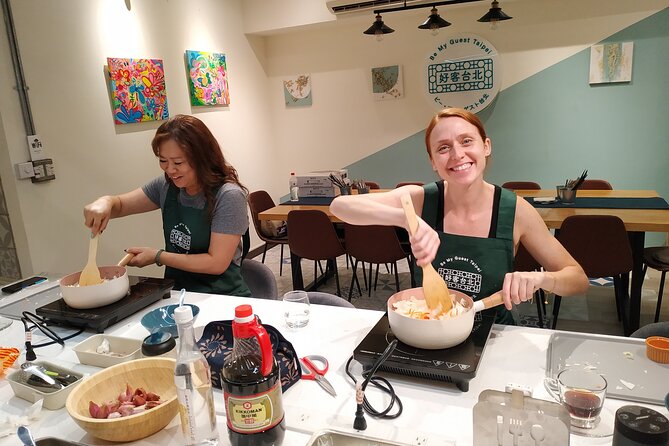
After the walk, you return to the cooking school. The second half focuses on making the selected dish from scratch. That phrase matters: the class is not just a demonstration where Alex cooks while you watch. You take part in preparing the food.
The full session runs from 9:30 a.m. to 12:30 p.m. Classes are offered Tuesday through Sunday, with Monday excluded. The end point is the same as the meeting point, which makes the experience easy to fit into a morning plan.
The morning timing also leaves your afternoon open for more of Taipei. I would avoid booking another fixed activity immediately afterward, though. Market walks and cooking can run at a natural pace, and you will want a little breathing room if questions or photos take extra time.
What makes the food lesson useful
A recipe class has more value when it explains why ingredients matter. Here, the market walk gives you a chance to see those ingredients in their local setting before cooking.
For beef noodle soup, the combination of garlic, bean paste, tomato, chili, green onion, and spices shows how the dish balances savory, aromatic, and spicy notes. For Taiwanese risotto, sticky rice works with dried seafood, mushrooms, pork, and shallots to create a very different result from Western risotto.
The scallion pancake session focuses on flour, spring onion, spices, and bean oil. That makes it a useful lesson in dough and texture. Luroufan offers another angle, with pork, shallots, garlic, spices, and pig skin creating a braised rice dish with a fuller texture.
You should not expect a broad survey of Taiwanese cooking in one morning. You cook one menu, not all four. The value comes from learning one dish properly enough to understand its ingredients and method, then carrying that knowledge into other meals during your trip.
Is $90 a fair price?
The cost is $90 per person. That is more than you would pay for a single inexpensive meal in Taipei, so the value depends on what you want from the morning.
You are paying for about three hours, a neighborhood walk, market tasting, local interpretation, ingredients, instruction, and a meal you prepare yourself. The small group also matters. Six is a much more useful number for a cooking class than a large tour bus group.
I think the price makes the most sense for you if you value contact with local food culture and want a structured activity early in your Taipei visit. The market walk can help you recognize ingredients later, and the cooking lesson gives you a better understanding of dishes you may order elsewhere.
The price is less attractive if you only want to eat. Taipei has plenty of affordable food, and the walking portion may feel unnecessary if your main goal is a quick kitchen lesson. The strongest value comes from treating this as a neighborhood and food experience together.
Families, dietary needs, and practical concerns
Children under 12 can attend without charge if they do not cook and can share your food. If a child wants to take part in cooking, you need to reserve a seat for that child.
This is a useful arrangement for families with young children who may enjoy watching, tasting, or asking questions without needing a full place at the worktable. Contact Alex through WhatsApp if you need help arranging seats for children.
You should report allergies and dietary restrictions before booking. No last-minute ingredient changes can be made on site. That is especially important for menus containing pork, pig skin, dried shrimp, beef, wheat flour, and other listed ingredients.
The experience requires good weather because of the walking section. If poor weather forces cancellation, you will be offered another date or a full refund. Free cancellation is available up to 24 hours before the start time. Changes or cancellations inside that window are not accepted for a refund.
Who will enjoy this most
I would choose this for a first visit to Taipei, especially if you want food to help you understand the city. The market visit, vendor contact, ingredient tasting, and cooking lesson give you several ways into local life during one morning.
It also suits curious cooks who want more than a recipe. The class is small, the menu changes by day, and Alex can explain ingredients in English, Chinese, or some Japanese.
Families can make it work, provided they plan around the child cooking policy and mention dietary needs early. The LGBT friendly venue and small group may also make this a comfortable choice for people who prefer a personal setting.
I would think twice if you dislike walking, do not want market visits, or are uncomfortable with group photos. One piece of feedback specifically found the photo sessions too intense for personal taste. You can still enjoy the cooking, but it is sensible to know that photography is part of the social side of the experience.
Should you book the Dadaocheng cooking class?
Book it if you want a compact morning that links Taipei’s old streets, food markets, and home-style cooking. Choose your day based on the dish, check the listed ingredients carefully, and leave some flexibility after the 12:30 end time.
Skip it if you want only a fast recipe lesson or if a market walk and group photography sound like chores. For everyone else, the combination of six-person instruction, local ingredients, and a meal made from scratch gives the $90 price a reasonable case.
Its current rating is 5 from 77 ratings, with 100 percent recommending it. The useful caution is simple: the kitchen work appears to be the strongest part, while the walking and photo elements will depend on your interests.
FAQ
Where does the experience begin?
It begins at No. 356, Section 1, Dihua Street, Datong District, Taipei City, Taiwan 103.
Where does the experience end?
The activity ends back at the meeting point on Dihua Street.
How long does the experience last?
It lasts approximately three hours, from 9:30 a.m. to 12:30 p.m.
Which days are classes available?
Classes run Tuesday through Sunday. There are no classes on Monday.
What dishes can I learn to cook?
Tuesday features Taiwanese risotto, Wednesday and Saturday feature braised beef noodle soup, Thursday features scallion pancakes, and Friday and Sunday feature braised pork rice.
How many people can join the class?
The maximum is six participants. At least two participants are needed for the class to operate.
Can children attend?
Children under 12 can attend free if they do not cook and can share your food. Children who want to cook need reserved seats.
Are dietary restrictions and allergies accommodated?
You must confirm allergies or dietary restrictions before booking. Last-minute ingredient changes cannot be made on site.
What happens if the class is canceled?
If poor weather causes a cancellation, you will be offered another date or a full refund. If the minimum number of participants is not reached, you will also be offered another date, another experience, or a full refund.
More Hands-On Classes in Taipei
- Xiao Long Bao, Pork thick soup, Bubble milk tea. Taiwan Traditional Light Meals Experience-B (Taipei Cooking Class)
★ 5.0 · 24 reviews - Street Food Cooking Class in Taipei : Gua Bao/Lu Rou Fan/Boba Tea
★ 5.0 · 22 reviews - Taipei Calligraphy Workshop (DIY incl.)
★ 5.0 · 19 reviews - Wear Hanfu and play guzheng
★ 5.0 · 19 reviews
More Shopping Tours in Taipei
- Taipei: 2-Hour Raohe Night Market Walking Tour
★ 4.6 · 69 reviews - 2-hr Raohe Night Market Walking Private Tour with a Tour Guide
★ 5.0 · 61 reviews - 7-Hour Jiufen Night View, Shifen Waterfall & Raohe Market Tour
★ 4.5 · 61 reviews - Taipei Street Food & Night Market Tour with a Local: Private & Custom
★ 4.5 · 35 reviews
Just added around Taipei
- Taipei: 8 Hours Private Day Tour in Wulai with Benz Vito★ 4.4 · 5 reviews
- Vintage Taipei – Best of Taiwan and Sunset Walking Tour★ 5.0 · 4 reviews
- Private Yangmingshan National Park Hiking Day Tour from Taipei★ 5.0 · 5 reviews
- Yilan 1-Day Private Tour to Kavalan Whisky & Cultural Gems★ 4.5 · 3 reviews
- Two-day Sun Moon Lake & Alishan Forest Park Tour Package★ 4.0 · 5 reviews
- Keelung Shore Excursion: Private 6H Natural Wonder & Seafood Tour★ 5.0 · 3 reviews
- Xiao Long Bao, Chicken vermicelli with mushroom and sesame oil, Tofu strips salad, Bubble milk tea. Taiwan Traditional Delicacies Experience-A (Taipei Cooking Class)★ 5.0 · 8 reviews
- Best of Taiwan 9 Days Tour★ 3.5 · 3 reviews
Cooking Classes, compared.
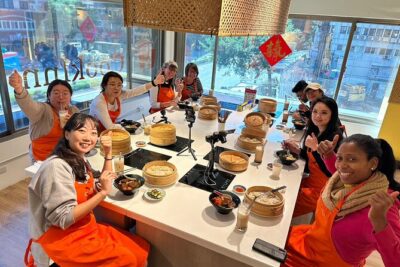
Xiao Long Bao, Beef Noodles & Boba Tea Cooking Class in Taipei
Read our review →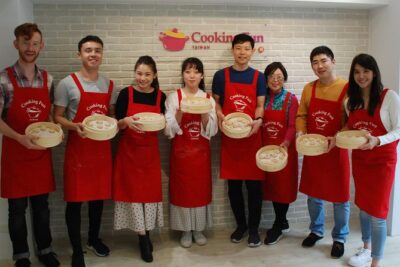
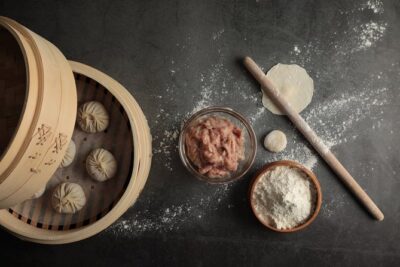
Xiao Long Bao & Boba Tea Cooking Class in Taipei
Read our review →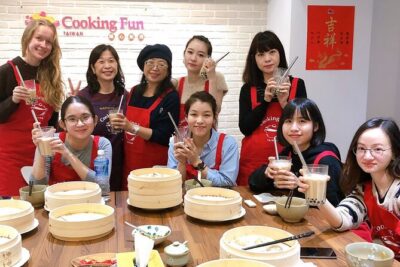
Xiao Long Bao, Pork thick soup, Bubble milk tea. Taiwan Traditional Light Meals Experience-B (Taipei Cooking Class)
Read our review →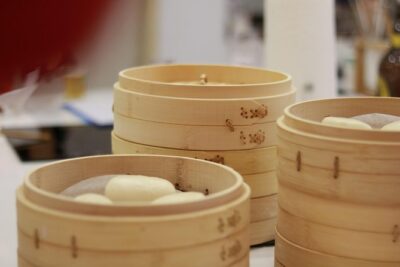
Street Food Cooking Class in Taipei : Gua Bao/Lu Rou Fan/Boba Tea
Read our review →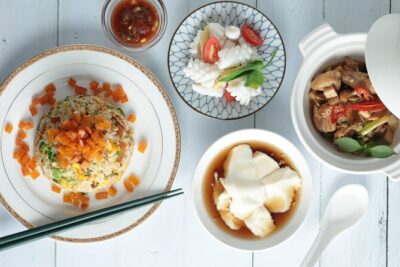
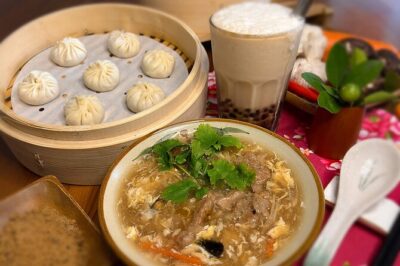
Xiao long bao, Pork thick soup, Bubble milk tea. (Taiwan Cooking Class)-B
Read our review →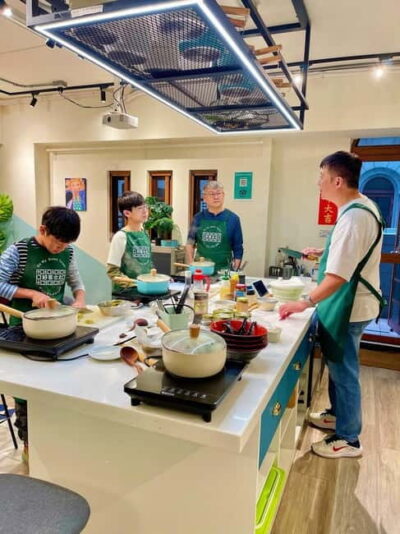
Cooking Class & Market Adventure Historic Dadaocheng
Read our review →Browse the lists this tour appears in