
Reviewed · NATIONAL PALACE MUSEUM TOURS
Taipei: National Palace Museum and Taiwan Aborigines Museum
Taipei gives you two very different museum experiences for one low price: the Shung Ye Museum of Formosan Aborigines introduces Taiwan’s Indigenous peoples, while the National Palace Museum presents thousands of years of Chinese art. The famous jadeite cabbage carving is only one small part of the larger collection, but it is a fun landmark to seek out.
I like the clear cultural contrast and the freedom to set your own pace. I also like that the Shung Ye ticket includes an optional audio guide, with films adding context about present-day Indigenous life. The main drawback is practical: you must redeem both tickets at Shung Ye first, and the National Palace Museum is large enough to leave you tired after several hours.
Key points to know before you go
- Collect both tickets at Shung Ye first: You cannot begin at the National Palace Museum and sort out the ticket later.
- See two very different collections: Shung Ye focuses on Taiwan’s Indigenous tribes, while the National Palace Museum covers Chinese calligraphy, ceramics, paintings, and more.
- Allow three to four hours at the National Palace Museum: The collection is extensive, so a quick stop will only skim the surface.
- Use the optional Shung Ye audio guide: It adds lively commentary to clothing, festivals, beliefs, and daily life displays.
- Take the bus from Shilin MRT Station: Buses 255, S18, and S19 leave from Exit 1 for the stop near the museum.
- Bring identification and leave cameras behind: A passport or ID is required, and filming equipment goes into lockers costing about TWD20 each.
Two museums, two views of Taiwan
This is not a guided walking tour with a fixed group or a packed timetable. It is a self-guided museum day built around two nearby institutions. That arrangement works well if you like choosing your own pace, skipping rooms that do not interest you, and lingering over a display without waiting for the rest of a group.
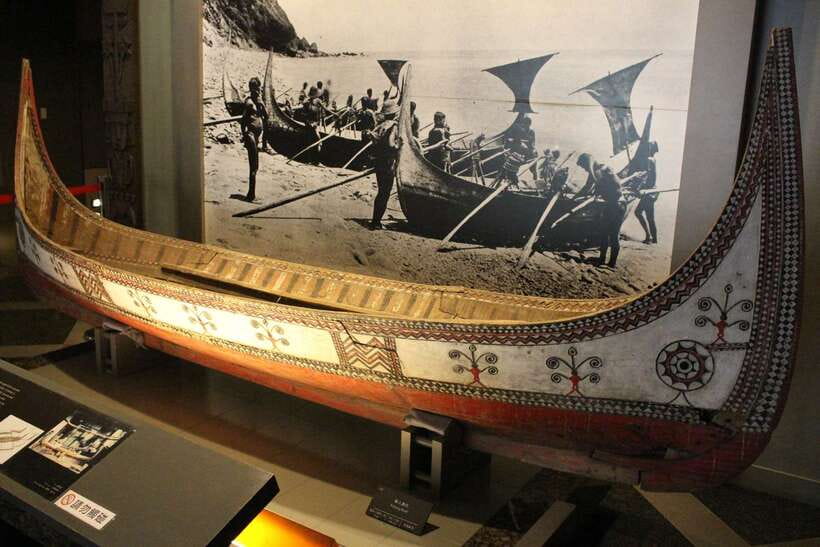
The first museum is Shung Ye, also called the Shung Ye Museum of Formosan Aborigines. Its subject is Taiwan’s Indigenous peoples, with displays on tribal life, clothing, festivals, religions, and traditional practices. The museum is smaller than the National Palace Museum, so it makes a sensible first stop rather than an all-day commitment.
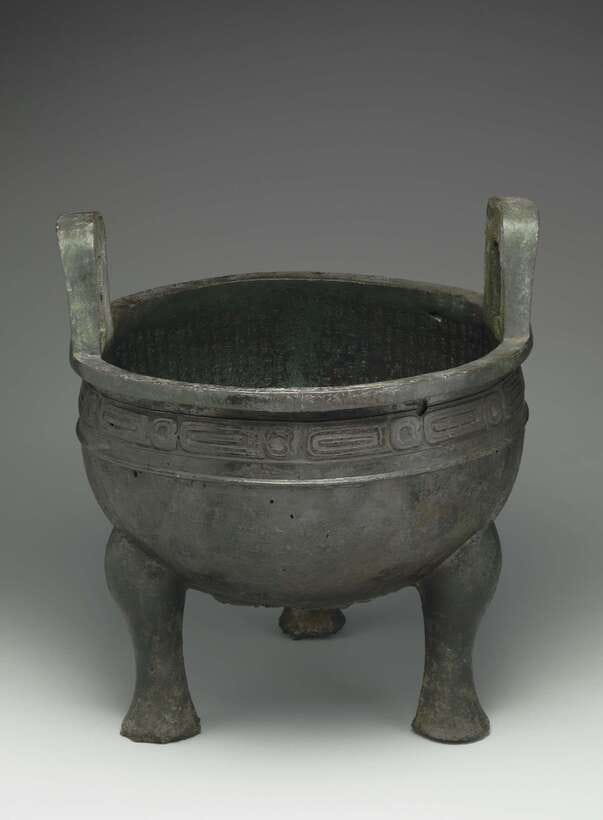
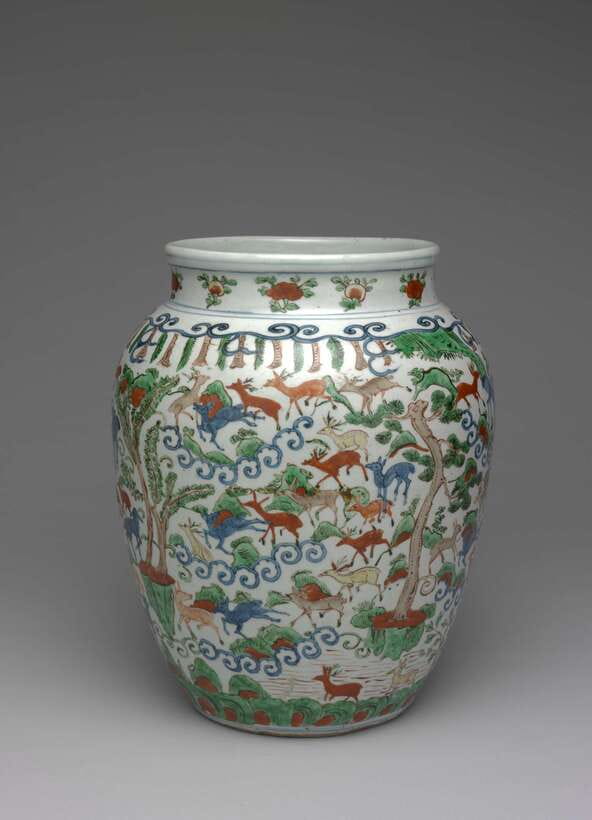
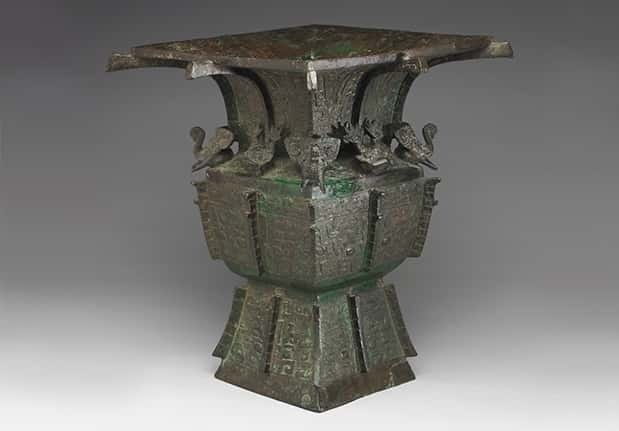
The second stop is Taipei’s National Palace Museum, home to more than 700,000 pieces of Chinese art. You will find calligraphy, ceramics, paintings, and other objects linked to roughly 5,000 years of Chinese culture and daily life. The scale is the big difference here. Shung Ye gives you a focused introduction, while the National Palace Museum can occupy the better part of a day.
That contrast is the real point of the experience. You are not simply visiting two art museums. You are looking at Taiwan through two lenses: the cultures of the island’s Indigenous peoples and the Chinese artistic traditions that shaped much of Taiwan’s museum collection.
More National Palace Museum visits:
- Taipei: National Palace Museum E-Ticket
★ 4.4 · 273 reviews - Taipei City Morning Tour with National Palace Museum entry
★ 4.0 · 232 reviews - Taipei: Morning City Tour with National Palace Museum Entry
★ 4.6 · 173 reviews
Starting at Shung Ye Museum of Formosan Aborigines
Begin at Shung Ye, located at No. 282, Section 2, Zhi Shan Road in Taipei’s Shilin District. This is also where you redeem both tickets, so plan this stop first even though the National Palace Museum opens earlier.
From Shilin MRT Station on the red line, leave through Exit 1 and take bus 255, S18, or S19. Get off at Wesley Girls High School, written as 衛理女中. The short walk from the bus stop leads you to the museum.
Inside, the displays introduce Taiwan’s Indigenous groups and their ways of life. You can expect information about clothing, festivals, religious beliefs, and everyday customs. The presentation is useful for setting the cultural context before you see the much larger Chinese art collection next door.
The museum also shows films in its auditorium. These films address the present conditions of Indigenous people in Taiwan, which gives the visit more weight than a display of old objects alone. If you have time, do not treat the film room as a filler stop. It helps connect historical customs with the lives of Indigenous communities today.
An optional audio guide adds commentary as you move through the exhibits. I recommend selecting it if you like more explanation than labels provide. It can help you make sense of unfamiliar clothing, ceremonies, and objects without turning the visit into a lecture.
The museum is not large. That is both an advantage and a limitation. You can cover it without the fatigue that often comes with a major national museum, but you should not expect the same number of galleries or objects found at the National Palace Museum. One thoughtful visit may take less time than you first expect.
Walking to the National Palace Museum
After Shung Ye, walk to the adjacent National Palace Museum. The short connection makes this pairing easy, and you do not need to arrange another ride between the two stops.
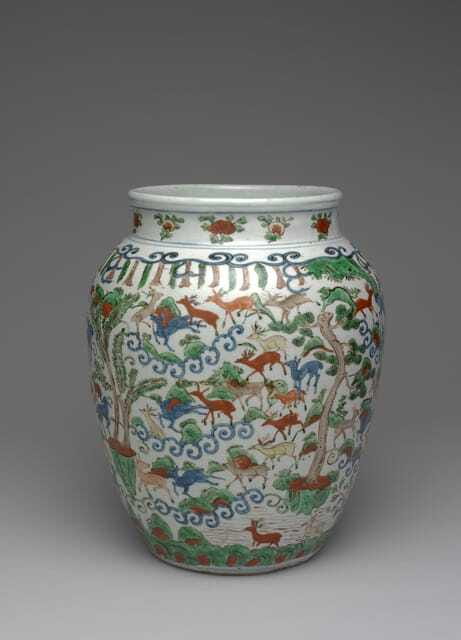
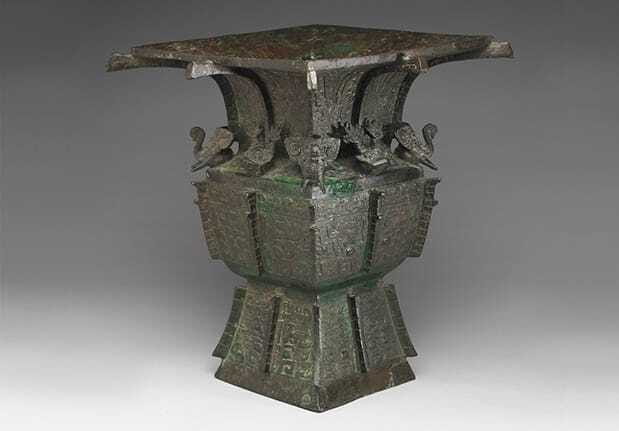
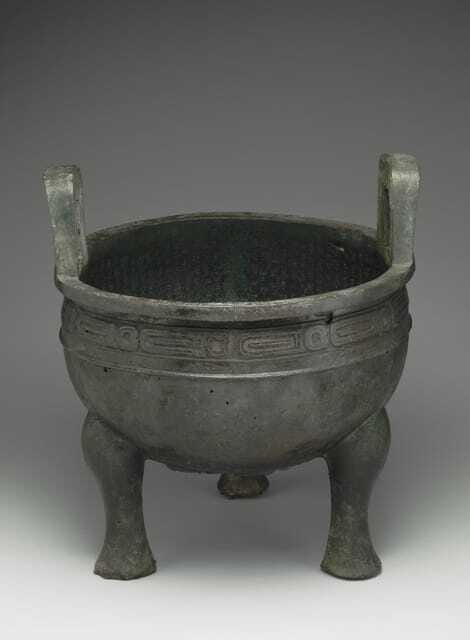
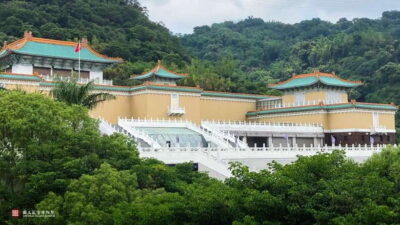
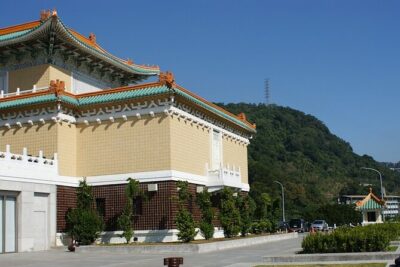
The National Palace Museum is the main event for most people booking this experience. Its collection includes more than 700,000 works of Chinese art, covering calligraphy, ceramics, paintings, and many other forms. The material spans about 5,000 years, so the museum offers far more than a handful of famous objects.
You can build your own route through the exhibitions. Focus on ceramics if that is your interest, spend time with paintings and calligraphy, or follow the displays that explain how objects relate to Chinese culture and daily life. The freedom matters here because no single visitor can give equal attention to everything in one visit.
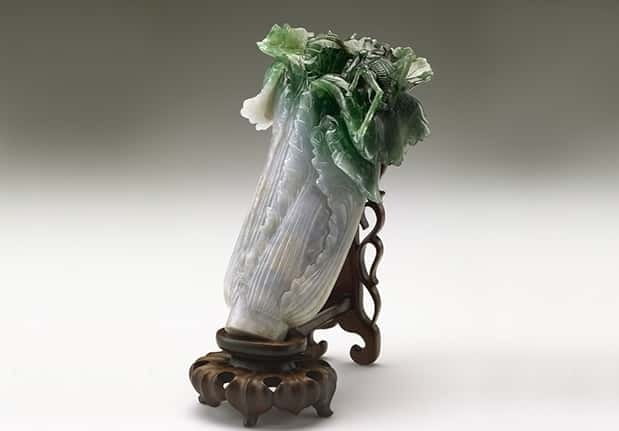
The well-known jadeite cabbage carving is one of the objects many people want to see. It is a memorable piece, but do not measure the museum only by whether you find it. The larger collection is the reason to come, and the cabbage is best treated as a familiar highlight within a much broader set of galleries.
One past visitor spent three to four hours at the National Palace Museum and found the experience especially memorable after having first visited decades earlier. That time estimate is useful. You can make a shorter visit, but three or four hours gives you a better chance to move beyond the headline objects and see the museum’s range.
The museum can feel historical and formal, particularly if you prefer contemporary art or interactive displays. That is not a flaw, but it is an important match-your-interests question. If ancient art, objects, and long periods of cultural change appeal to you, the museum gives you plenty to study. If you want a fast, hands-on attraction, you may find the pace slower than expected.
How the audio guide changes the visit
The audio guide is available for Shung Ye if you select that option. It is not included for the National Palace Museum, so make your plans with that distinction in mind.
At Shung Ye, the guide can provide a useful thread through the exhibits. Indigenous clothing, festivals, beliefs, and social customs may be unfamiliar, and a spoken explanation can make the displays easier to follow. The commentary also helps you connect separate objects instead of seeing them as isolated pieces.
The National Palace Museum remains self-guided under this arrangement. You can still explore freely, but you will need to rely on exhibit labels and your own interests. That works well for independent museum visitors. It is less ideal if you want a guide explaining every room or helping you choose the most important objects.
I would use the audio guide at Shung Ye, then reserve my energy for the National Palace Museum. The first museum benefits from added cultural explanation, while the second is so large that your own priorities may be more useful than a fixed commentary track.
More museums in Taipei:
- Taipei: National Palace & Shung Ye Aborigines Museums Ticket
★ 4.6 · 16 reviews - Taipei National Palace Museum Guided Tour
★ 4.5 · 9 reviews - From Taipei: Thousand-Island Lake & Tea Museum Private Tour
★ 4.7 · 5 reviews - National Palace Museum Northern Branch Taiwan Admission
★ 4.5 · 3 reviews
Planning the timing and opening hours
The two museums have different opening hours, and that affects the best order.
Shung Ye is open from 9:00 a.m. to 5:00 p.m., Tuesday through Sunday. The National Palace Museum opens earlier, from 8:30 a.m. to 6:30 p.m. Tuesday through Sunday, with Friday and Saturday hours extending to 9:00 p.m.
Despite the earlier National Palace Museum opening, you still need to begin at Shung Ye to redeem both tickets. In practical terms, a start around 9:00 a.m. makes sense. After the first museum and the short walk, you can spend the middle of the day at the National Palace Museum.
The extended Friday and Saturday hours are useful if you want a slower visit or need to split the day around other plans. Remember that Shung Ye still closes at 5:00 p.m., so it is not possible to leave that stop until late evening. Both museums operate Tuesday through Sunday according to the supplied hours, so check the calendar carefully before choosing Monday.
A full day is more than enough for the pair, but you do not have to spend every opening hour inside. Shung Ye is compact, while the National Palace Museum can expand to fill as much time as you give it. If you enjoy museums, plan three to four hours for the National Palace Museum alone. If you prefer a lighter day, a shorter visit still lets you see the central highlights.
Is the $15 ticket good value?
At $15 per person, this is a strong value if you want both museums. The ticket combines admission to Shung Ye and the National Palace Museum, and the optional Shung Ye audio guide adds further value if selected.
The price is especially attractive because the museums cover different subjects. You are not paying to see two versions of the same collection. Instead, you get a focused Indigenous culture museum and one of Taiwan’s major Chinese art collections.
The value depends on your museum habits. Someone interested mainly in one famous object may not need a full-day combination ticket. Someone who enjoys history, art, and cultural comparison can easily justify the cost, particularly with several hours at the National Palace Museum.
There are small extra costs to remember. The National Palace Museum audio guide is not included, and lockers cost around TWD20 each for filming equipment. Those amounts are minor compared with the admission price, but they are worth knowing before you arrive.
Practical rules for a smoother visit
Bring a passport or other ID card. You need it for the ticket arrangement, so do not leave identification at your hotel.
Cameras and flash photography are not allowed. Filming equipment must be left in the onsite lockers, which cost about TWD20 each. If photography is important to you, this rule may feel restrictive. Go for the collections rather than expecting a photo-heavy museum stop.
The experience is wheelchair accessible. Since you set your own pace, you can also take breaks as needed, although the supplied information does not specify seating, routes, or accessibility details inside each gallery.
Children under seven enter free. Older children may appreciate the famous jadeite cabbage and the colorful clothing displays, but the overall experience leans toward education rather than entertainment. Families should decide based on the child’s interest in museums and historic objects.
Free cancellation is available up to 24 hours in advance, and you can reserve now and pay later. Those terms are helpful if your Taipei schedule is still changing.
Who should book this museum day?
I would choose this experience if you want a low-cost cultural day and prefer independent exploring to a scheduled tour. It suits first-time visitors who want an introduction to both Taiwan’s Indigenous cultures and the Chinese art traditions represented in Taipei.
It is also a good choice for returning visitors. One past visitor who had first seen the National Palace Museum 30 years earlier found that a longer visit revealed much more than the earlier stop. That is a useful reminder that the museum rewards time, even if you have been before.
History and art fans will get the most from the combination. The Indigenous museum adds necessary context about the people who were in Taiwan first, while the National Palace Museum provides the larger collection and longer visit.
I would be more cautious if you dislike traditional museums, have only a short window in Taipei, or want a guide with you throughout the day. The ticket offers freedom, not a personal escort. The National Palace Museum can also feel like too much if you only have an hour or two.
Should you book it?
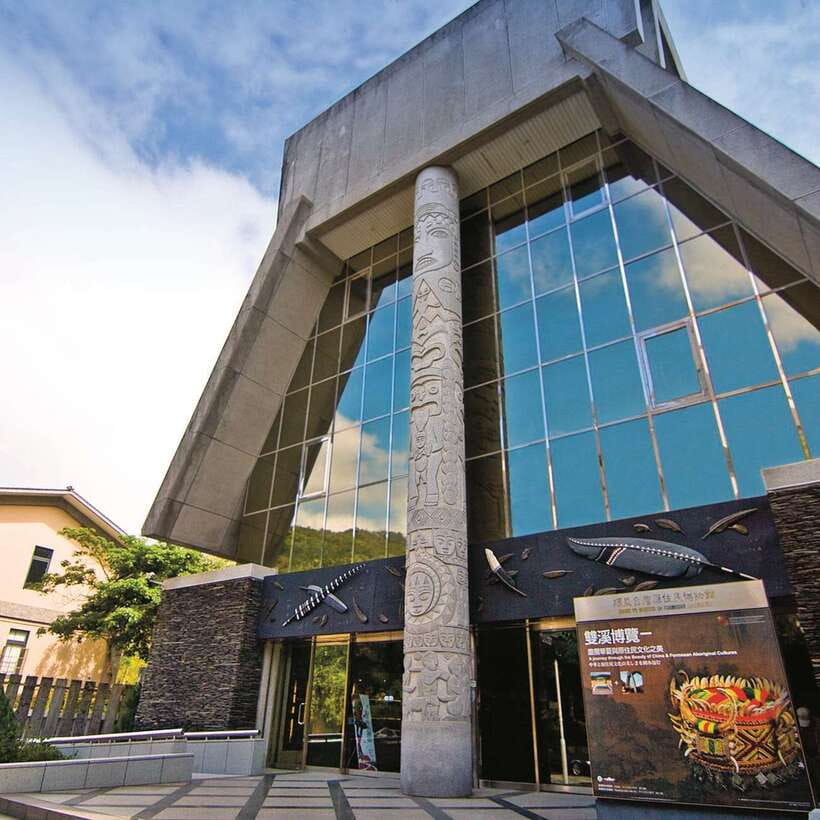
Book it if you want to compare Taiwan’s Indigenous cultures with a major collection of Chinese art for $15. Start at Shung Ye, use the optional audio guide, watch a film if the schedule allows, then walk to the National Palace Museum and give yourself at least several hours.
Skip it if you need a fast attraction, a fully guided tour, or a modern interactive museum. For everyone else, the combination is a practical way to spend a full day in Taipei, with the jadeite cabbage as a pleasant landmark inside a much bigger cultural experience.
FAQ
Where do I collect the tickets?
Collect and redeem both museum tickets at the Shung Ye Museum of Formosan Aborigines, located at No. 282, Section 2, Zhi Shan Road in Taipei’s Shilin District. This must be your first museum stop.
How do I get to Shung Ye Museum?
Take bus 255, S18, or S19 from Exit 1 of Shilin MRT Station on the red line. Get off at Wesley Girls High School, or 衛理女中.
Can I visit the National Palace Museum first?
No. You must redeem both tickets at Shung Ye Museum of Formosan Aborigines before visiting the National Palace Museum.
Is an audio guide included?
An audio guide for Shung Ye is included if you select that option. An audio guide for the National Palace Museum is not included.
What are the museum opening hours?
Shung Ye is open from 9:00 a.m. to 5:00 p.m. Tuesday through Sunday. The National Palace Museum is open from 8:30 a.m. to 6:30 p.m. Tuesday through Sunday, with Friday and Saturday hours extending to 9:00 p.m.
Are children admitted free?
Children under seven enter free.
Can I bring a camera?
Cameras and flash photography are not allowed. Filming equipment must be stored in onsite lockers, which cost around TWD20 each.
Just added around Taipei
- Taipei: 8 Hours Private Day Tour in Wulai with Benz Vito★ 4.4 · 5 reviews
- Vintage Taipei – Best of Taiwan and Sunset Walking Tour★ 5.0 · 4 reviews
- Private Yangmingshan National Park Hiking Day Tour from Taipei★ 5.0 · 5 reviews
- Yilan 1-Day Private Tour to Kavalan Whisky & Cultural Gems★ 4.5 · 3 reviews
- Two-day Sun Moon Lake & Alishan Forest Park Tour Package★ 4.0 · 5 reviews
- Keelung Shore Excursion: Private 6H Natural Wonder & Seafood Tour★ 5.0 · 3 reviews
- Xiao Long Bao, Chicken vermicelli with mushroom and sesame oil, Tofu strips salad, Bubble milk tea. Taiwan Traditional Delicacies Experience-A (Taipei Cooking Class)★ 5.0 · 8 reviews
- Best of Taiwan 9 Days Tour★ 3.5 · 3 reviews
National Palace Museum Tours, compared.
Taipei City Morning Tour with National Palace Museum entry
Read our review →
Morning City Tour with National Palace Museum Entry
Read our review →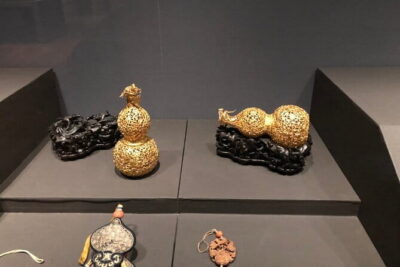
National Palace Museum Northern Branch Taiwan Admission
Read our review →Browse the lists this tour appears in