
Reviewed · MUSEUMS
Taipei: National Palace & Shung Ye Aborigines Museums Ticket
Taipei’s best museum pairing brings together two very different parts of Taiwan’s story. At the National Palace Museum, you’ll see treasures spanning about 5,000 years of Chinese art, including the famous Jadeite Cabbage and Meat-Shaped Stone. At the Shung Ye Museum, you’ll learn about the island’s 14 recognized Indigenous tribes through clothing, tools, and ceremonial objects.
I like the simple one-day ticket, which lets you visit both museums without buying separate admission. I also like the contrast: one museum is grand and packed with imperial art, while the other is small, focused, and personal. The main drawback is that the Shung Ye Museum is much smaller, so you may finish it in about 30 minutes.
Key points to know before you go
- Two museums, two very different views of Taiwan: See Chinese court art at the National Palace Museum, then learn about the island’s Indigenous peoples at Shung Ye.
- The Jadeite Cabbage and Meat-Shaped Stone are the headline objects: These famous pieces are easy to seek out among the museum’s enormous collection.
- The National Palace Museum can feel overwhelming: An audio guide is worth considering if you want help choosing which galleries and objects deserve your time.
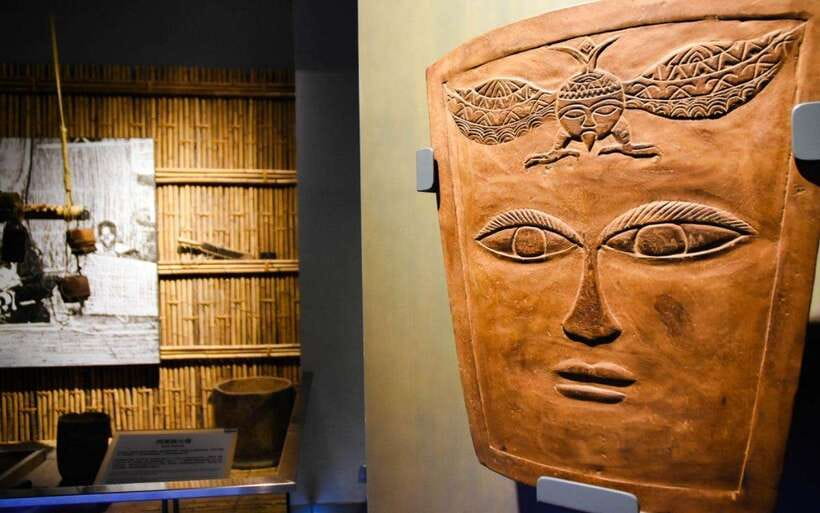
- Shung Ye is compact but important: Its clothing, hunting tools, and ceremonial objects offer a clear introduction to Taiwan’s 14 recognized tribes.
- Admission is self-guided: No guide, food, drinks, or hotel transportation is included.
- The $12 price is strong value: You get admission to both museums and permanent and special exhibits for one day.
Why these two Taipei museums work well together
Many Taipei sightseeing plans focus on Chinese art or modern city life. This ticket gives you a wider view of Taiwan. You begin with objects connected to thousands of years of Chinese civilization, then move to the cultures of the people whose communities developed on Taiwan long before modern political borders.
That contrast is the real strength of the experience. The National Palace Museum is large, formal, and full of objects made for courts, scholars, temples, and wealthy collectors. Shung Ye is smaller and more direct. Its displays focus on everyday life, ceremony, work, clothing, and community identity.
You should not expect two equal-sized attractions. The National Palace Museum is the main event and can occupy several hours if you take your time. Shung Ye works better as a shorter second stop, especially if you want a focused introduction rather than an all-day museum visit.
The ticket is valid for one day, so you have room to set your own pace. Since this is not a guided excursion, you can linger over a favorite display, skip sections that do not interest you, or take a break between museums.
More museums in Taipei:
- Taipei: National Palace Museum E-Ticket
★ 4.4 · 273 reviews - Taipei City Morning Tour with National Palace Museum entry
★ 4.0 · 232 reviews - Taipei: Morning City Tour with National Palace Museum Entry
★ 4.6 · 173 reviews
Beginning at the National Palace Museum
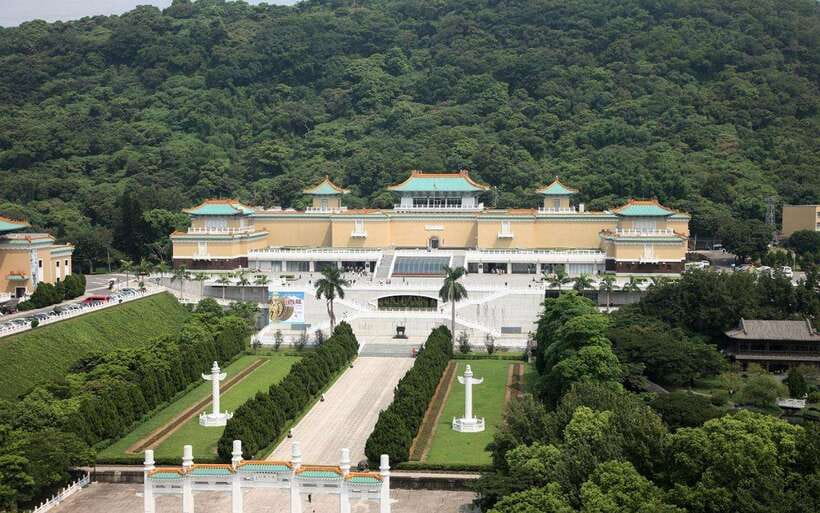
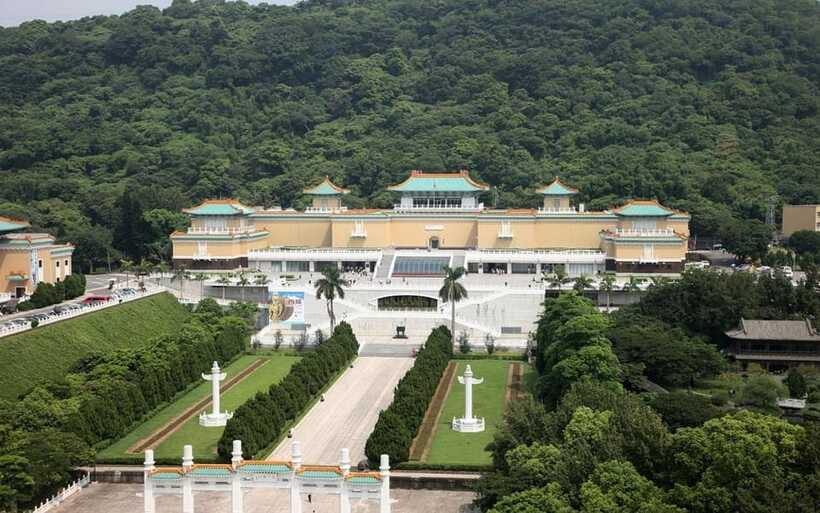
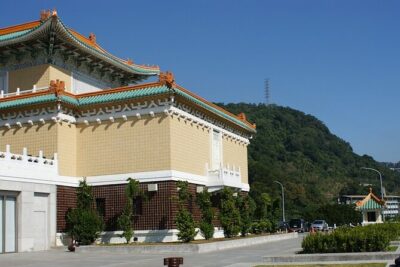
The National Palace Museum holds one of the world’s largest collections of Chinese art and artifacts. The collection covers roughly 5,000 years, so the building presents a long sweep of Chinese artistic and cultural development rather than one narrow period.
That scale is exciting, but it can also be tiring. You may see ceramics, bronze ritual vessels, calligraphy, paintings, carved objects, and other works from different dynasties and eras. There is enough material to reward a slow visit, but too much to absorb in one glance.
I suggest choosing a few themes before you start. You might focus on ritual objects, written art, jade carving, or the way materials and artistic styles change over time. This makes the museum feel less like a long list of rooms and more like a series of connected stories.
The layout is manageable, but the collection is not. One practical tip is to identify the famous objects first, then return to galleries that catch your attention. That approach helps you see the major highlights without spending all your energy at the beginning.
Finding the Jadeite Cabbage and Meat-Shaped Stone
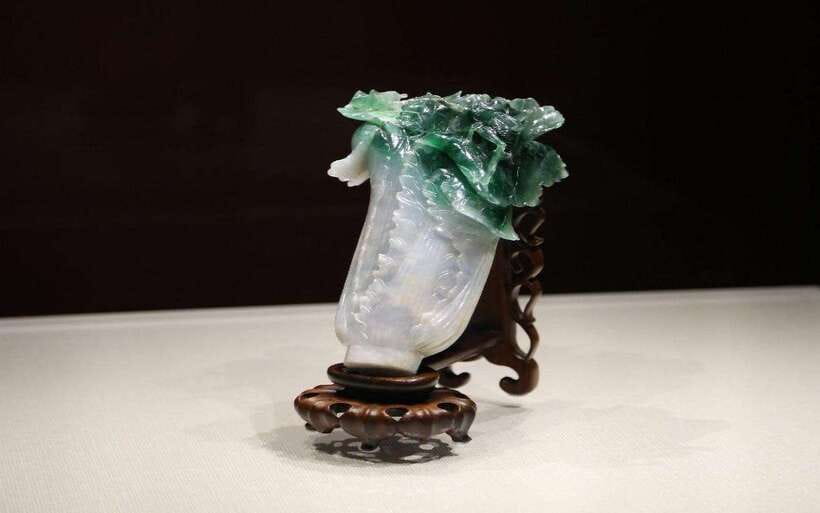
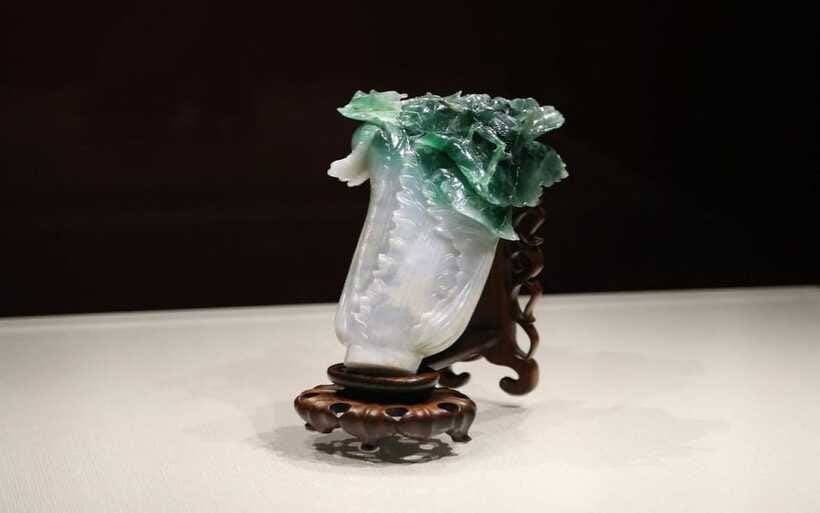
The Jadeite Cabbage is one of the museum’s best-known objects. It is a small jade carving shaped like a piece of Chinese cabbage, with careful color changes in the stone used to suggest the leaves and stalk. Its fame comes from the skill of the carving and the clever use of a natural piece of jade.
The Meat-Shaped Stone is another crowd favorite. As its name suggests, the carving resembles a piece of cooked pork, with layered color and texture that make the hard stone look surprisingly edible.
These objects are popular for good reason, but they are only two pieces in an enormous collection. If you have seen photographs of them, you may be surprised by their size. They are not monumental sculptures. Their appeal is in the close work, the material, and the imagination required to turn a small stone into something familiar.
The famous displays can attract attention, so give yourself time to look closely rather than simply checking them off your list. Then move on to the bronze ritual vessels and calligraphy, which show different sides of Chinese artistic tradition.
The museum’s bronzes, calligraphy, and long timeline
Ancient Bronze Ritual Vessels offer a very different experience from the jade carvings. These objects were connected to ceremonies and formal life, and their shapes and decoration show how art could also carry social and religious meaning.
Calligraphy Scrolls shift the focus from three-dimensional objects to brushwork, movement, and written language. If you do not read Chinese, the visual qualities still matter. You can look at line, spacing, balance, and the way a long scroll controls the viewer’s attention.
This is where an audio guide can help. A visitor who wants to understand why particular objects matter may get more from the visit with spoken background and explanations. The ticket does not include a guided tour, so plan for a self-guided experience and check separately for audio guide availability.
Staff are described as multilingual, efficient, and friendly, which is useful when you need help finding a gallery or understanding basic museum procedures. Still, do not expect someone to lead you through the entire collection. You control the route and the pace.
A few more Taipei days to compare
- From Taipei: Shifen, Jiufen, and Yehliu Guided Day Trip
★ 4.6 · 1,654 reviews - Full-Day Private Custom Taipei City Tour
★ 5.0 · 911 reviews - From Taipei: Yehliu, Jiufen, and Pingxi Day Tour
★ 4.7 · 892 reviews - Taipei: Jiufen Night View and Shifen Day Tour
★ 4.6 · 870 reviews
Moving from imperial art to Indigenous Taiwan at Shung Ye
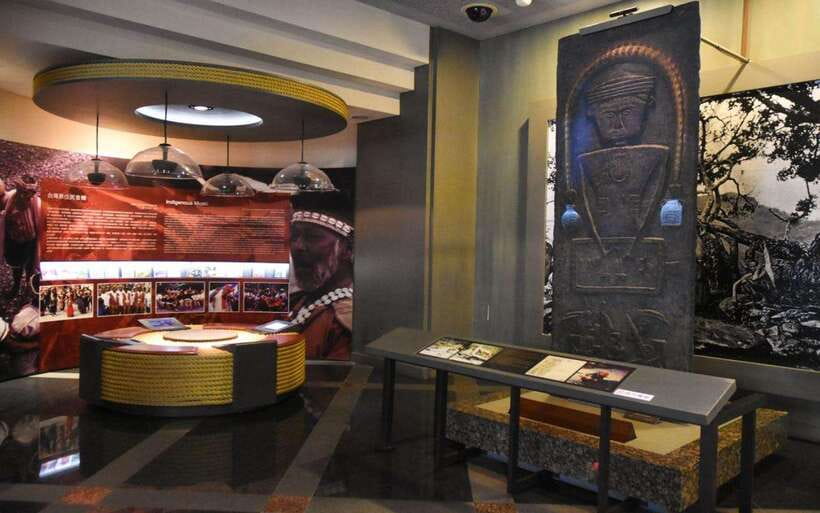
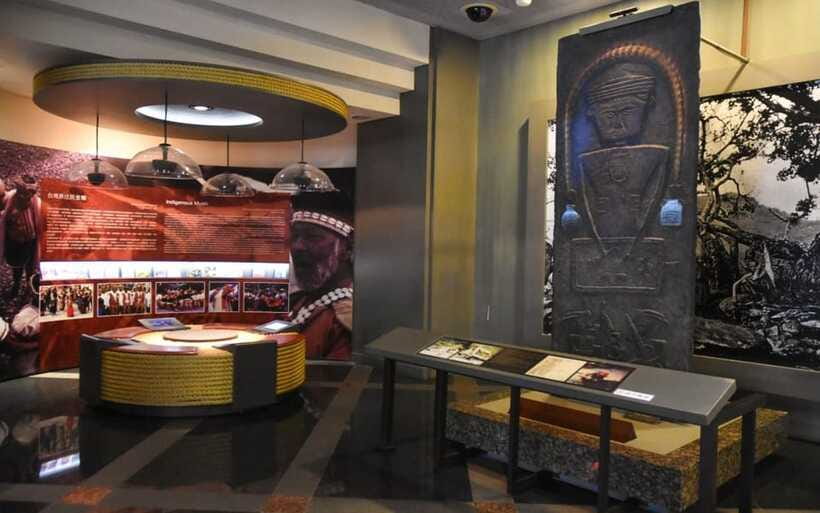
The Shung Ye Museum of Formosan Aborigines provides a very different kind of visit. Its subject is Taiwan’s 14 recognized Indigenous tribes, and its collection includes traditional clothing, hunting tools, handicrafts, and ceremonial objects.
The museum is much smaller than the National Palace Museum. You may be able to see it in around 30 minutes, depending on how closely you read the displays. That short visit is not a reason to skip it. The museum gives useful context that the larger museum cannot provide.
At Shung Ye, objects are connected more directly to community life. Clothing can show identity and craft traditions. Hunting tools point to practical skills and local ways of living. Ceremonial items offer a glimpse into beliefs and social customs.
Multimedia displays add sound and visual material to the exhibit experience. These features can make the subject easier to understand, especially if you are new to Taiwan’s Indigenous cultures. The museum also helps correct the idea that Taiwan has only one cultural story.
The displays address the damage caused by colonialism and occupation. That historical context matters. You are not simply looking at attractive objects. You are also learning about communities whose languages, traditions, and political experiences have faced serious pressure.
How much time should you allow?
The ticket is valid for one day, but the ideal length depends on your museum habits. If you want only the major National Palace Museum highlights and a quick look at Shung Ye, you can make this a half-day outing. If you read labels, use an audio guide, and spend time with the collection, allow much longer.
A practical plan looks like this:
- Start with the National Palace Museum, when your attention is fresh.
- See the major jade, bronze, and calligraphy displays.
- Take a break outside the exhibit areas if needed.
- Visit Shung Ye for a shorter, more focused look at Indigenous cultures.
- Return to any National Palace Museum galleries you skipped, if your schedule allows.
Do not rush the National Palace Museum simply because Shung Ye is on the same ticket. The larger museum contains far more material, and its scale is the main reason to buy this combination.
At the same time, do not treat Shung Ye as an afterthought. Its smaller size makes it easier to understand in one visit, and the contrast with the National Palace Museum gives the whole day more meaning.
Is the $12 ticket good value?
At $12 per person, this is a good-value cultural ticket. You receive admission to both museums, including permanent and special exhibits, for one day. Buying access to two major Taipei attractions in one package is useful if both subjects interest you.
The value is strongest for independent visitors. You do not pay for a guide you may not need, and you can choose how long to stay. The tradeoff is that you must provide your own context and decide how to organize the day.
The price is less appealing if you only want a quick look at one museum. Shung Ye is small, and someone with little interest in Indigenous history may not feel it adds much time. But the combination works well if you want a broader understanding of Taiwan rather than a single famous collection.
The ticket also includes skip-the-ticket-line access, which can save some time at entry. A verified booking review describes scanning a QR code at the entrance for simple admission. Keep your booking information ready, and follow the entry instructions provided with your ticket.
What is not included
This is an admission ticket, not a guided tour. You will not have a guide explaining the objects room by room, and hotel pickup and drop-off are not provided. You also need to arrange your own food and drinks.
Food and drinks are not allowed inside the exhibit areas. Plan to eat before or after your museum visits, or use only areas where refreshments are permitted. Do not bring a drink into the galleries expecting to carry it around.
Flash photography is forbidden inside both museums. Even where photography is allowed, follow the signs for individual objects and galleries. Flash can damage sensitive works and disturb other people trying to look closely.
Wheelchair accessibility is limited, and the experience is listed as unsuitable for wheelchair users. If you have mobility concerns, confirm current access arrangements before booking rather than assuming every gallery and route will be easy to use.
Who will enjoy this museum combination?
I would recommend this ticket to you if you like art, archaeology, cultural history, or museums that help explain a place beyond its modern surface. It is also a smart choice for a first visit to Taipei because it introduces both the Chinese artistic tradition and Taiwan’s Indigenous cultures.
Families with older children may appreciate the visual appeal of the Jadeite Cabbage, Meat-Shaped Stone, colorful clothing, and multimedia displays. Younger children may find the scale of the National Palace Museum tiring, especially without a guide or a clear plan.
Independent visitors are a particularly good match. You can use the ticket flexibly, spend more time on objects that catch your eye, and avoid the fixed pace of a group excursion.
This may not be the best choice if you dislike museums, need a fully guided experience, or have limited mobility. The National Palace Museum rewards patience, and Shung Ye requires enough curiosity to appreciate a smaller collection.
Should you book the National Palace and Shung Ye ticket?
Book it if you want a reasonably priced, self-guided day built around Taiwan’s art and culture. The National Palace Museum supplies the famous objects and the huge historical sweep. Shung Ye adds a necessary Indigenous perspective, even though its visit is much shorter.
Go in with realistic expectations. This is not two equally large attractions, and it is not a guided tour. You will need to manage your own time, consider an audio guide for the National Palace Museum, and accept that the collection may feel overwhelming.
For $12, the pairing offers strong value and useful contrast. I would especially recommend it to anyone who wants more than a quick photograph of Taipei, and who is willing to slow down long enough to look at how Taiwan’s many cultural stories fit together.
FAQ
How long is the ticket valid?
The ticket is valid for one day.
What museums are included?
Admission includes the National Palace Museum and the Shung Ye Museum of Formosan Aborigines.
What can I see at the National Palace Museum?
You can see Chinese art and artifacts spanning about 5,000 years, including the Jadeite Cabbage, Meat-Shaped Stone, Bronze Ritual Vessels, and Calligraphy Scrolls.
What can I see at the Shung Ye Museum?
The museum presents the history and culture of Taiwan’s 14 recognized Indigenous tribes, with traditional clothing, hunting tools, handicrafts, ceremonial objects, and multimedia displays.
Is a guided tour included?
No. Guided tours are not included.
Is food allowed inside the museums?
Food and drinks are not allowed inside the exhibit areas.
Can I take photographs?
Flash photography is not allowed inside the museums.
Is the experience wheelchair accessible?
Wheelchair accessibility is limited, and the experience is listed as unsuitable for wheelchair users.
Just added around Taipei
- Taipei: 8 Hours Private Day Tour in Wulai with Benz Vito★ 4.4 · 5 reviews
- Vintage Taipei – Best of Taiwan and Sunset Walking Tour★ 5.0 · 4 reviews
- Private Yangmingshan National Park Hiking Day Tour from Taipei★ 5.0 · 5 reviews
- Yilan 1-Day Private Tour to Kavalan Whisky & Cultural Gems★ 4.5 · 3 reviews
- Two-day Sun Moon Lake & Alishan Forest Park Tour Package★ 4.0 · 5 reviews
- Keelung Shore Excursion: Private 6H Natural Wonder & Seafood Tour★ 5.0 · 3 reviews
- Xiao Long Bao, Chicken vermicelli with mushroom and sesame oil, Tofu strips salad, Bubble milk tea. Taiwan Traditional Delicacies Experience-A (Taipei Cooking Class)★ 5.0 · 8 reviews
- Best of Taiwan 9 Days Tour★ 3.5 · 3 reviews
Museums, compared.
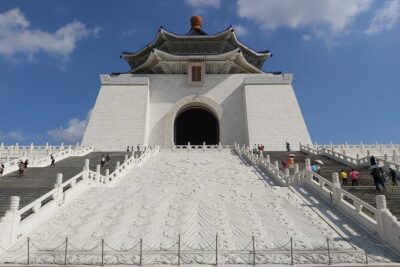
Taipei City Morning Tour with National Palace Museum entry
Read our review →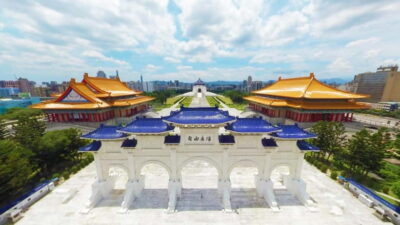
Morning City Tour with National Palace Museum Entry
Read our review →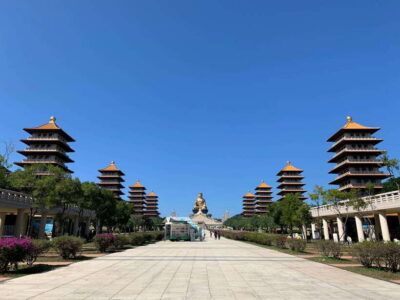
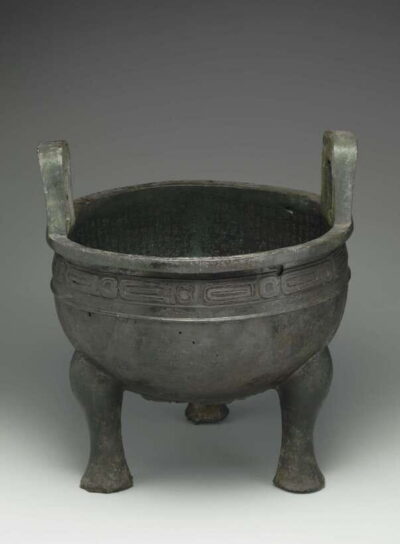
National Palace Museum and Taiwan Aborigines Museum
Read our review →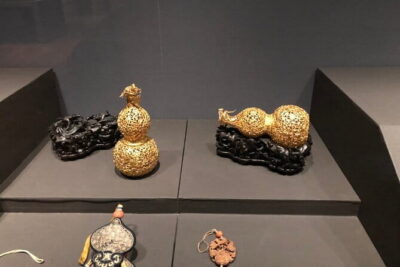
National Palace Museum Northern Branch Taiwan Admission
Read our review →Browse the lists this tour appears in